
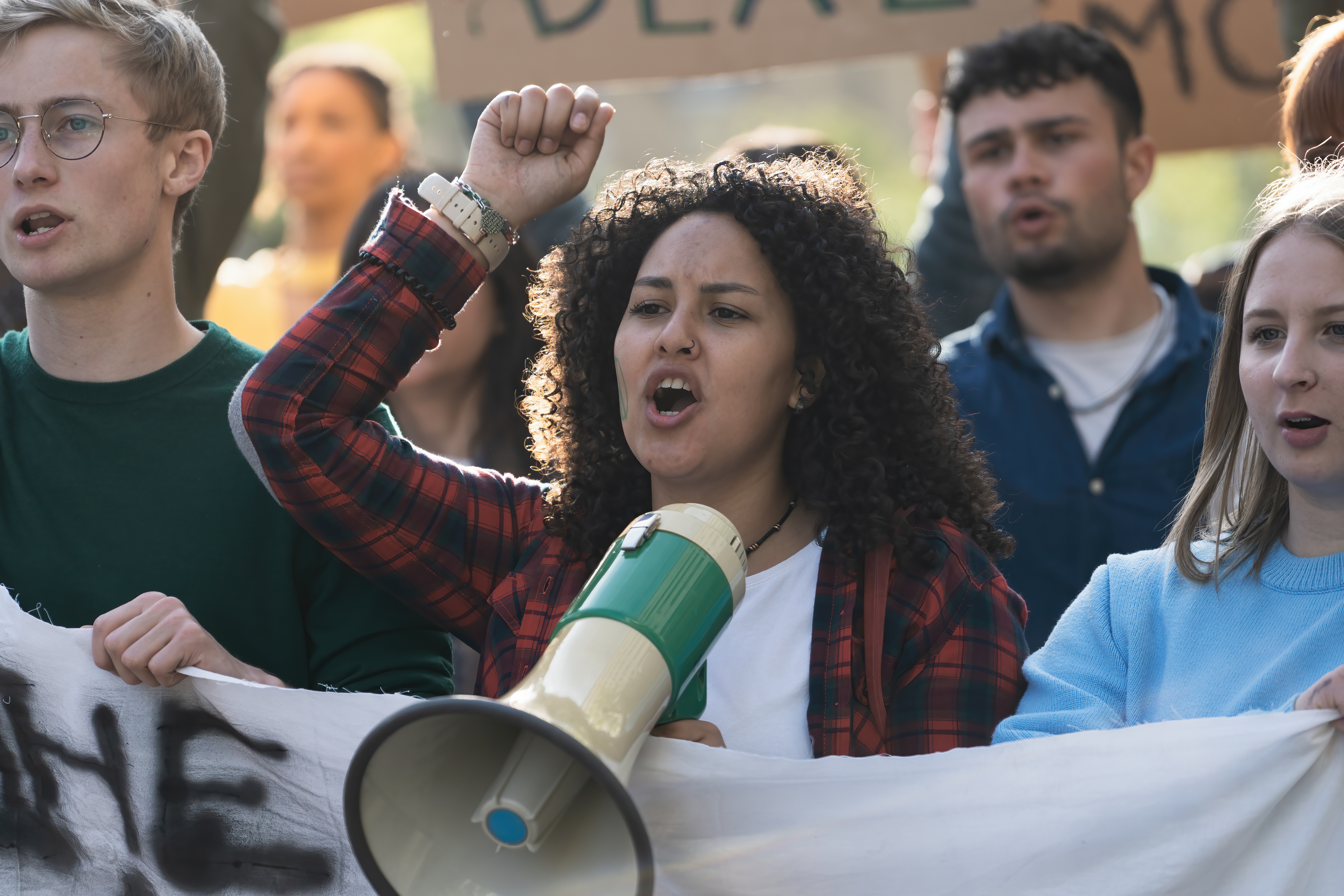
The recent escalation of protests on college campuses nationwide in response to the Israel-Palestine conflict is very unsettling, especially for those of us with college students living nearby. With a past in journalism and telecommunications, I’m a staunch advocate of free speech. But as these protest environments become increasingly heated on both sides, I wonder if the outcome will be constructive for anyone involved.
Along with the rest of the world, I watched in disbelief as Hamas militants gunned down unsuspecting attendees at a music festival in Israel last October, leaving hundreds dead. Horrific video showed ordinary people being taken from their homes close to the Israel-Palestine border as hostages. Since then, residents of Gaza have repeatedly been forced to move to try to avoid retaliatory strikes by Israeli forces, but safe areas are hard to find.
The fighting continues from both sides. Families and friends still wait for news about the fate of loved ones held hostage for more than six months now. Governments and prominent stakeholders jockey for positions. Peace seekers strategize how to manage an incredibly complicated conflict that reaches back generations.
Meanwhile, the rest of us are left wide-eyed and helpless to know how to react. We can feel overwhelmed and paralyzed. How will anything we do possibly make a meaningful difference when the problems loom so large?
But take heart. Below are practical and attainable actions we ordinary folks can take to make an impact.
WE CAN GET EDUCATED
We’ve heard the stories of the enduring Middle East conflict for decades, but how much do most of us really know beyond high-level sound bites? True empathy starts with understanding the perspectives of those involved. What do they each need and want from the situation? We can remain open-minded and genuinely curious as we read or talk to others about their circumstances and beliefs.
Carefully consider your information sources. Look at several from different sides of the issue to get a balanced look at what’s really going on. Speak your mind constructively to your elected officials if warranted.
WE CAN DONATE TO WORTHY ORGANIZATIONS
The urgent humanitarian crisis on the ground grows daily. Thousands of civilians are dead and more are wounded, without safe shelter or access to adequate healthcare, food, water, electricity or fuel. We can pool our resources by donating to reputable organizations seeking to help regular people caught in the crosshairs of conflict.
Some helpful links: https://www.cnn.com/world/how-to-help-civilians-impacted-by-the-israel-gaza-conflict/index.html and https://www.npr.org/2023/10/13/1205235922/help-israel-gaza-humanitarian-organizations (see list of organizations toward the end).
WE CAN LET OUR OWN ACTIONS CHANGE THE NARRATIVE
The conflict in the Middle East can seem very far away. However, the campus protests as well as the alarming rise in threats and hate crimes against Jews, Palestinians and Muslims here in the U.S. shows that the effects of the war are anything but remote. Bias incidents from verbal harassment to physical violence and requests for help from Muslims in the U.S. were up 182% in the 16 days after the Hamas-led attack in Israel (over any other similar time period in 2022) and persist today.
No one living peacefully in America should have to fear personal retribution for a distant war. That we are a country of diverse individuals is our strength, not our weakness. Yet when we fail to show consideration for those who are different from us, we fail to live up to our truest potential both as Americans and as fellow humans.
What can we do to show more empathy and understanding to others, regardless of their background or family heritage?
- We can check our tone – both in person and on social media feeds. Are we lifting people up or trying to bring them down, even lightheartedly? Even if we don’t agree with their views, we can show respect for those whose paths we cross. Step in to help the person who needs an extra hand, without judging why they can’t do it all themselves. Speak up for the co-worker who keeps getting interrupted in a meeting. Look up from our phones to deliver a word of kindness to someone at the bus stop or on the subway.
- We can have meaningful conversations with people who intersect our lives. We can ask someone outside our faith family how they celebrate a particular holiday to broaden our knowledge of other religions, and then share our own traditions with them. Fear of the unknown can lead to wrong assumptions and misunderstandings that can be avoided if we take the extra time to get to know others.
- We can foster constructive connections with others every day. People who feel seen and heard on a regular basis aren’t likely to demand that attention by picking up a gun and committing a mass shooting. Those who don’t routinely feel disrespected won’t feel the need to get back at anyone with senseless violence.
We as individuals can’t stop the rockets from flying between Israel and Hamas. But even from so far away, it’s empowering to know we can do something to move the needle. Educate yourself and donate to help if you are able. And action by action, conversation by conversation, help do the work to shift the cultural acceptance of others in a way that aims to lessen these types of tensions in the future.
Compassion leads to acceptance, dialogue and understanding between people of different backgrounds and beliefs. There is no better way to help ensure a brighter, more peaceful future for us all.
