
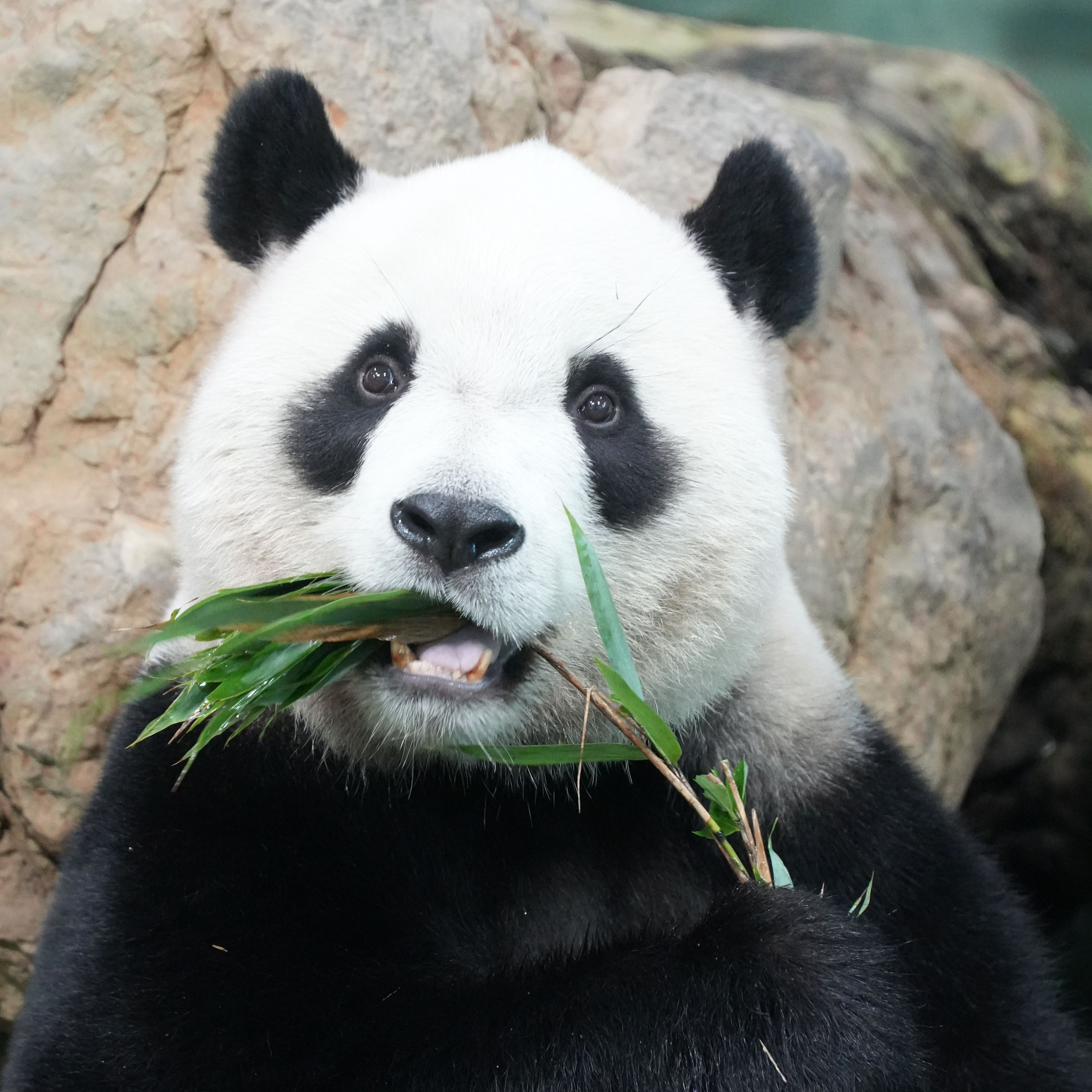
The pandas are back.
Here in Atlanta, we can’t see them until their public debut on November 6th, but I saw the National Zoo’s new black-and-white friends earlier this year. They did not disappoint.
Those of us who’ve been panda-obsessed for decades took what felt like an abrupt return of all pandas in American zoos to China by 2024 pretty hard. They were on loan, sure, but we’d gotten used to contract extensions. It was easy to assume the pandas would always be here.
Until they weren’t.
A little background for those who aren’t as panda-obsessed:
After President Nixon made a historic visit to China in 1972, China sent panda pair Hsing-Hsing and Ling-Ling to live at the National Zoo in Washington, D.C. as a gesture of goodwill. They were on loan to the U.S. for 25 years, with China retaining rights to any offspring they produced. Over a million visitors came to see Hsing-Hsing and Ling-Ling in their first year here, and the panda-mania hasn’t let up since.
In 2000, superstar panda duo Mei Xiang and Tian Tian – and later their cubs – kept the panda-monium going in D.C. Over time, zoos in Memphis, San Diego, and Atlanta also received pandas in exchange for millions of dollars toward conservation efforts for China’s vulnerable panda population.
Tens of millions of people have flocked to see the pandas in American zoos in person, many from overseas. And panda cams let those who can’t make the trip follow along. It was a major highlight of our day when my kids and I checked in on baby Bao Bao from Pennsylvania after she was born in 2013. When we later got to visit Bao Bao’s family in person in D.C., we felt like we already knew her.
With fewer than 2,000 pandas still living in the wild and less than 800 in captivity, seeing and learning about these magnificent creatures on our own turf is a real privilege.
But as years passed and political tensions mounted, China declined to extend the panda contracts.
So, by early 2024, the last of the giant pandas that had lived in the U.S. for decades were back in China. Panda facilities in American zoos were empty. Some caretakers had spent their entire careers with these animals. They knew their personalities and medical history. We were all heartbroken.
The chances of getting more pandas looked slim. Could it happen again – or would new disagreements over AI and trade, on top of old beefs about government and basic human rights be too much for even pandas to overcome?
Apparently not.
Over 20 years since the last time China loaned new pandas to the United States, a new era of panda diplomacy has begun.
New panda pairs went to San Diego and then D.C. Now the most recent pair – Ping Ping and Fu Shuang – has arrived in Atlanta. With renovated facilities, expert caretakers and an eager public waiting to fall in love, we are ready for them.
The United States and China disagree on plenty – AI development, trade policy, open internet access, a free press, and until recently, how many kids a family can have. But sharing pandas means setting aside those differences and working together.
Once the loan agreement is in place, a lot of detailed coordination goes into helping the pandas successfully adjust to their new homes.
Before the trip, American handlers go to China to bond with the pandas and help prep them for the move. Chinese experts also help American zoos design panda enclosures, nutrition plans, and health routines. Finally, Chinese breeders and vets travel overseas with the animals on the “FedEx Panda Express” plane and stay at the new zoo for a few weeks to help them settle in.
But the collaboration doesn’t stop there. Scientists and caretakers on both sides regularly share their data and vet strategies to keep improving panda reproduction and care.
This isn’t one-and-done collaboration. It’s regular people with a shared passion for giant pandas working together for years. Their countries (and maybe they as individuals) still disagree on fundamental issues, but they keep showing up for this vulnerable species.
They could teach the rest of us a thing or two.
Midterm elections are here.
After we vote, the pundits will talk. And analyze. And tell us how we should feel.
No matter who we vote for, though, we still have to work together and do life together. Actually, we get to. And that’s a privilege.
YOUR IMPACT THIS WEEK:
Let’s follow the example of panda experts. We don’t have to agree on everything – even the big things – to work and coexist together.
But we won’t get far if we never leave our own zoo. So step outside and visit someone else’s crazy zoo. Find out where they come from and what they like. Start small – your beloved grandmothers, a shared passion for 90’s rom coms, a love of all things chocolate. You don’t have to tackle every deep topic. Just find a little common ground.
The pandas are a pretty good place to start.
As we navigate the midterms and head into the holiday season, share this post with your people – especially the ones you disagree with – to offer an olive branch of peace!
(Photo/Snow Chang)
