
Jessica J., MD, is a pediatric hospitalist who explores the small, intentional choices that help people show up with clarity and compassion – in medicine and in life.
Thanks, Dr. Jessica, for helping us launch our periodic guest post series “Shared Spaces” and reminding us that our best for others often comes after we put on our own oxygen mask first.
It was 3:14pm on a rainy Saturday in July 2017. I was a new doctor deep in my first year of residency, and my brain felt like a browser with twenty tabs open and no idea where the music was coming from.
We had already admitted two patients with three more on the way. My pager buzzed with updates, my phone chimed with questions, and my notes had devolved into diagonal scribbles across repurposed pages. If you’d asked me where I’d written the one key reminder from my attending that morning, I would’ve said, “Your guess is as good as mine.”
These moments replay as almost comical now, but at the time, the overwhelm felt impossible. There was no way to meaningfully process everything coming at me, and in hindsight, I think that was the point. Medicine is about learning to dive into chaos and find what’s actionable — and, maybe more importantly, learning when to pause before you act.
Over time, I picked up small survival tricks that became life skills. They weren’t about efficiency so much as presence. Because before you can care for anyone — patients, colleagues, family — you have to know where you are in that moment.
One lesson in particular has stuck with me.
The Pulse Check
During residency, one of my attendings quizzed us on the first step in a resuscitation. We rattled off our answers: start CPR, call for help, push the code button.
She smiled and shook her head.
“Check your own pulse first,” she said.
It was tongue-in-cheek, but her point landed. You can’t make critical decisions if your mind is sprinting ahead of your body. You have to slow down enough to think clearly.
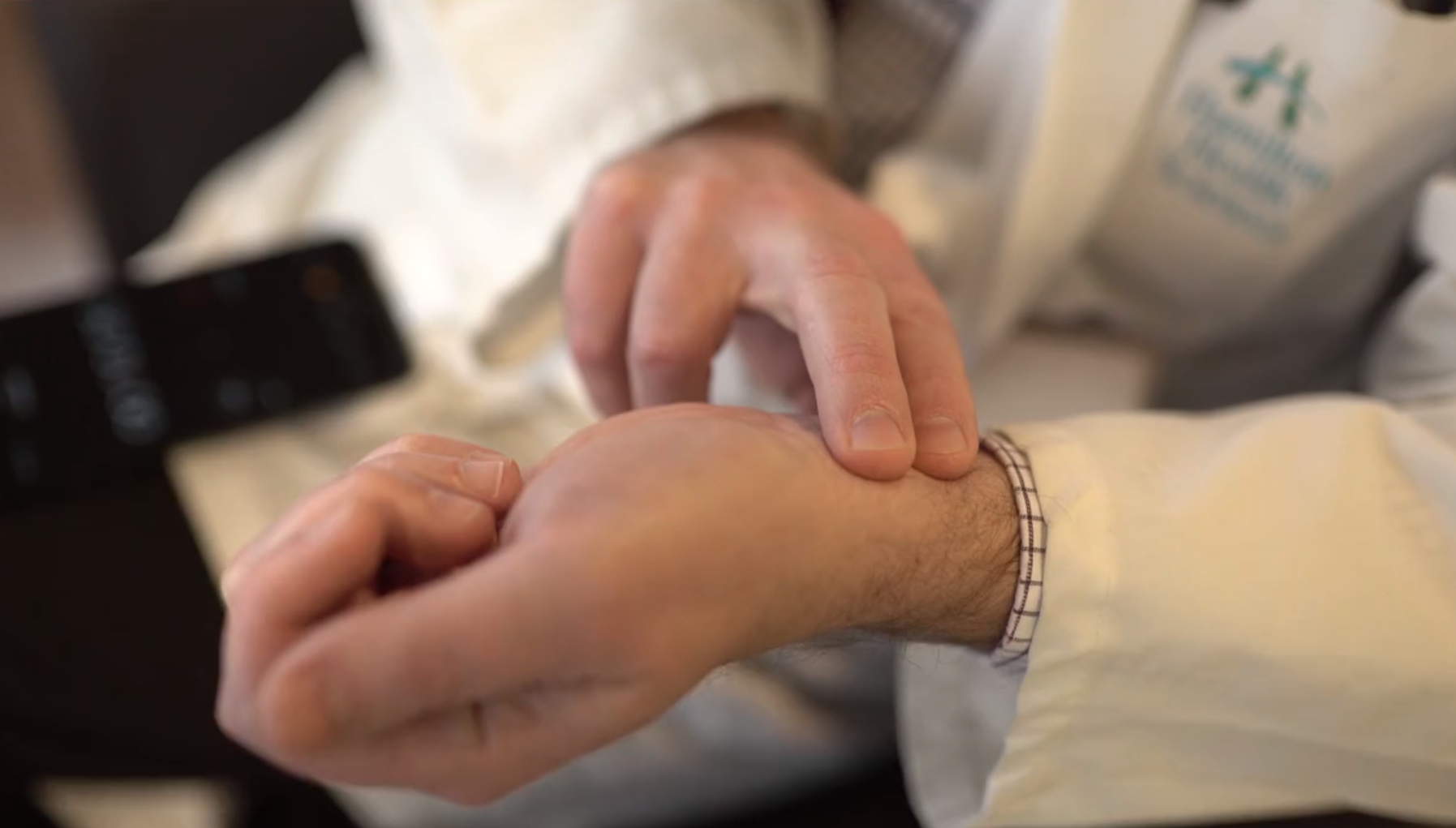
I started taking that advice literally. In moments when my stress level spiked — a crashing patient, an overwhelmed parent, a mountain of unfinished notes — I’d press my fingers to my wrist and feel my pulse.
Sometimes I’d take one deep breath, sometimes three, waiting for my heart to slow just enough to remember: Okay. I’m here. I can do the next right thing.
It’s a habit I still use—inside and outside the hospital. When my inbox fills faster than I can answer, when life piles up in competing directions, when I catch myself multitasking instead of listening — I check my own pulse. Not just the physical one, but the emotional one. Am I agitated? Hungry? Distracted? What’s my nervous system trying to tell me?
That tiny pause changes everything.
It’s not about doing less. It’s about doing with intention.
The Bigger Picture
In medicine, we talk a lot about triage — deciding what’s emergent, what’s urgent, and what can safely wait. Life outside the hospital works the same way. Most things that feel immediate actually aren’t. Taking a breath first gives us the clarity to sort through what truly needs our energy.
Sometimes that means zooming out — seeing the big picture instead of tracking every small task. Other times it means giving yourself permission to take a sip of water, finish a sentence, or simply stand still for ten seconds before responding.
These micro-pauses are where authenticity lives. They remind us that showing up fully doesn’t require perfection — just presence.
It’s not about staying perfectly calm or collected. It’s about showing up as the real you, with enough self-awareness to act intentionally instead of reflexively.
When you take our own pulse before moving forward, you create the conditions for wiser, more compassionate impact.
Your mission this week: Notice when your pulse quickens — literally or metaphorically — and pause before your next step. Often, in the stillness, your next right move becomes obvious.
