The movement was born out of sheer frustration.
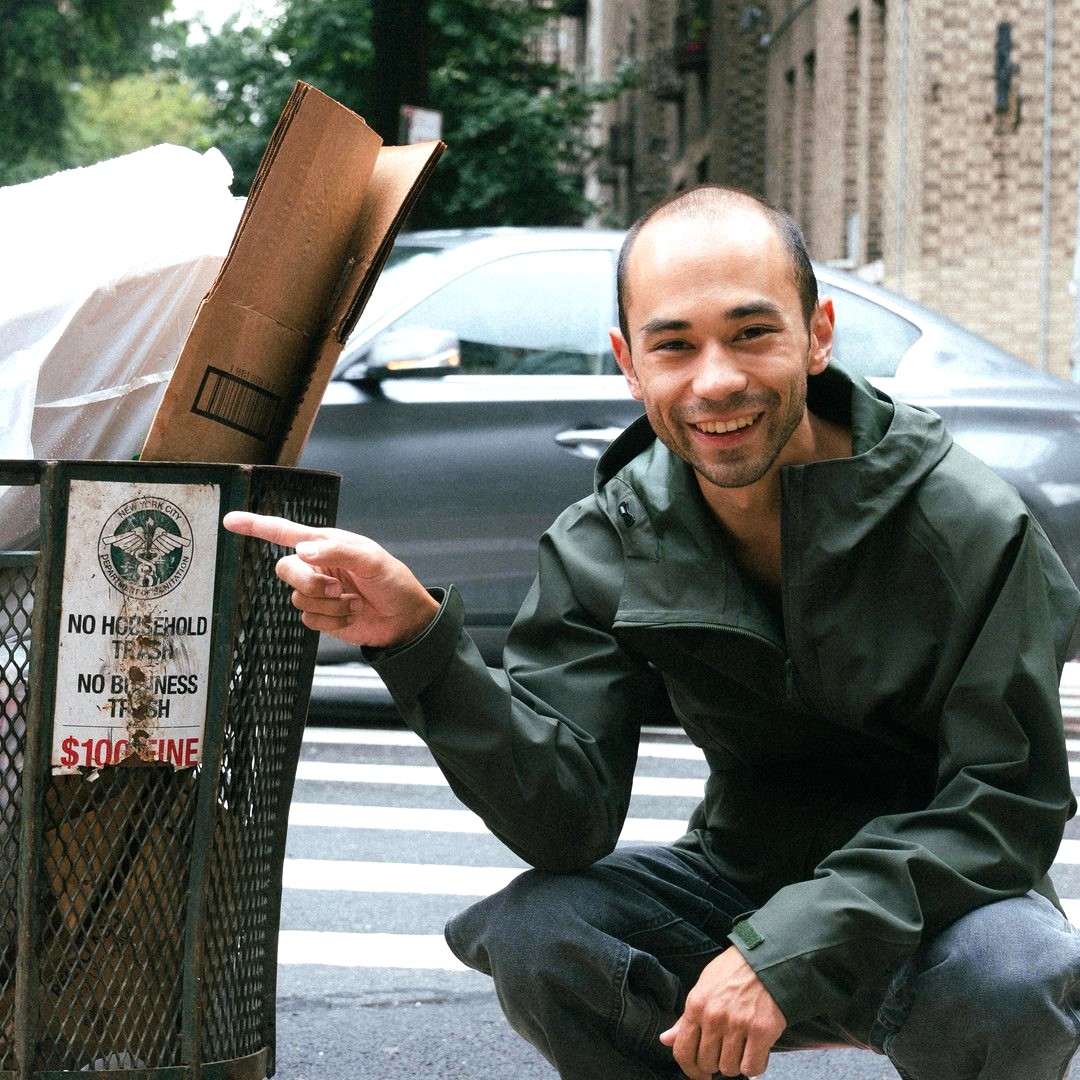
Twenty-four-year-old David Clarke lives on a block in Washington Heights, a Dominican neighborhood in upper Manhattan. Nearby streets had a vibrancy his didn’t, with neighbors socializing, playing music, and connecting with each other.
But David’s block was dirty and unappealing. He and his neighbors saw the problem – trash everywhere and lots that weren’t being maintained – and they wanted it fixed. But most of them rented their homes, so they didn’t feel like they had any authority to fix the problem.
The city and the landlords owned the block. Complaining to them didn’t seem to help. So what could they do?
Most of us stop there. We throw up our hands and live with it.
But sometimes, we get tired of listening to all the reasons something can’t be done – and we find a way to make it happen.
That’s exactly what David did.
Five months ago, in May, David bought a trash grabber and trash bags on the cheap and set out to pick up trash.
With no prior social media experience, he set up accounts on TikTok and Instagram, posting his trash haul from different locations around Manhattan every day for four weeks.
Incredibly, within just one week, his story about one man picking up trash went viral. At least 100 volunteers started pitching in to help.
Trash Talk NYC was born.
It’s not hard to find trash in New York City, but David asked people to tell him about particularly trashy places that needed attention – including “open-air drug markets, dump-sites under bridges, beautiful parks, business districts, and subway stations,” according to the Trash Talk NYC website.
By day 40, the city’s sanitation department had even sent a truck out to help. City agencies and the mayor’s office reached out to support the grassroots effort. And block by block, he and his growing army of volunteers kept picking up trash.
He didn’t know exactly where this was all headed. But he had momentum.
Then David stumbled across a little-known fact that changed everything.
Landlords and the city own and control most of the space on city blocks, but the tree beds – the unpaved dirt areas around the base of trees that line Manhattan streets – are fair game. With basic guidelines, an easy-to-acquire permit, and the blessing of the city of New York, members of the public can actually have a say in how those tree beds look.
And when the tree beds look better, it lifts up the whole street.
So David got to work on a plan.
Without donated supplies, it costs about $150 to install wooden boards around a tree bed (tools and labor excluded). Another $100 gets you plants and mulch to beautify the space around the tree.
For landowners, that $250 is less than paying repeated litter fines for failing to maintain their property, which gives at least some of them an incentive to foot the bill.
That makes sense for property owners. But what about the renters who live on the block?
David started noticing something interesting: Overall litter decreased on streets where the tree beds were cleaned up. When people live on an attractive street, they want to keep it that way – even if they don’t own the land.
They put their litter in a trash can and pick up what others have dropped on the ground. They don’t let their dogs pee on the bright-colored perennials planted with their own hands. They take pride in where they live.
That’s the larger goal.
Not just cleaner tree beds. Not just less trash.
A greater sense of ownership and pride in the places we call home.
David is a 24-year-old who majored in Middle Eastern Studies and worked as a tutor. Trash Talk NYC takes up all his time now, but he doesn’t want to clean up trash on the streets of Manhattan forever. He wants to inspire others to do the same thing for themselves.
“It all started with one person wanting to make a change,” one volunteer told The City Reporter. “Sometimes we forget [that] we all have that agency.”
David isn’t just cleaning up trash. He’s reminding us what’s possible.
We have more problems than tax dollars and public servants can possibly solve on their own. Our help gets the job done faster and calls attention to the issues we care most about.
And when we feel like what we do matters, we start to see that we can really have an impact by doing even one little thing to be part of the solution.
Whether you’re picking up trash in Manhattan or helping kids cross a busy street in Omaha. It all counts.
YOUR IMPACT THIS WEEK
Think of a problem that’s nagging you. Something you wish someone else would fix.
Figure out one small way to be part of the solution instead of waiting for someone else to act.
Then tell us what happened (contact@howsyourimpact.com).
Because YOU MATTER. And together, we really can create the change we want to see in the world – one word, one action, one person at a time.
Please share this post with your people to inspire them to make a difference, too!
*Follow David’s story and see his trash-collecting videos at Trash Talk NYC.
